
COBURG’S CAR PARK PROBLEM
The heart of Coburg is clogged with car parks, and surgery is required.
Stand outside the Coburg Library (our fair-weather friend) and you can see the extent to which car parks dominate the area. Coburg is an increasingly popular suburb, however the Big Four Carparks (see diagram below) surrounding Victoria Mall are often underutilised, particularly the one outside Schoolhouse Studio (formally ‘the Second Coles’).
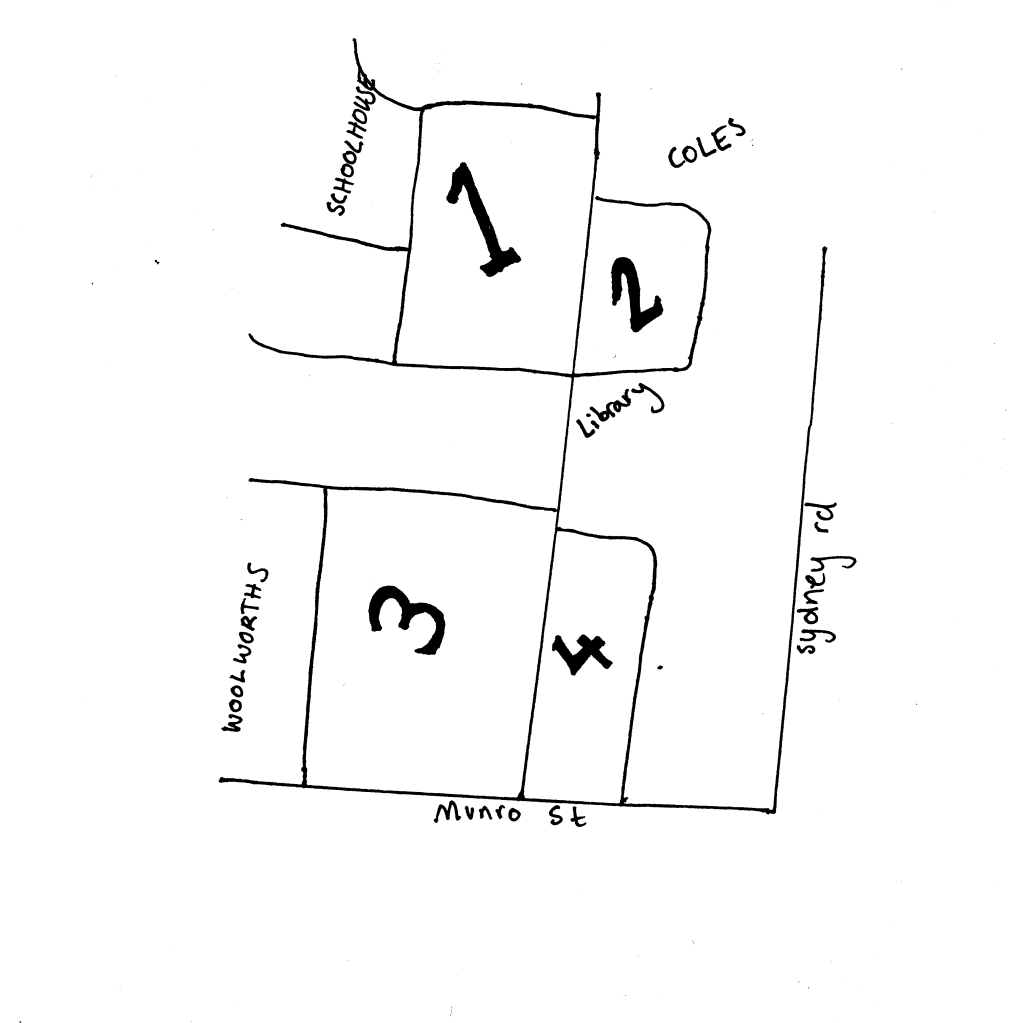
There have been a variety of plans for developing these car parks over the years, most recently, the Council’s Coburg 2020 Plan, which proposed a major overhaul of the car parks to facilitate new residential, retail and office buildings. This plan, which was presumably set to begin in 2020, has been unceremoniously dropped off the desk of the Council. It could be that COVID-19 triggered conservatism from prospective developers, or that the Council must honour historic arrangements over the space that may take an extraordinary effort to coordinate with developers, at potentially significant cost.
The Council owns 3 out of 4 of the large car parks. These areas were converted to car parks by charging retail and commercial properties in the surrounding buildings a levy. As part of the arrangement, the Council agreed to ensure that any future plans with the car parks would always result in the same amount of car park spaces being available closeby. So, if the 3 large car parks are removed, new parking options will need to spring up somewhere in the area. This presents a challenge for the Council in considering ways to utilise the land, and surely presents a barrier to enticing certain investors for whom car parks are less valuable to than retail space.
The big question, however, is whether the Council will sell the land instead of lease it.
Recently, the Council chose to sell a parcel of land that surrounded the Coburg Historical Society in Coburg, to a private corporation, the Coburg Health Hub Pty Ltd. This decision was divisive, with many commentators and some decision-makers resistant to the idea of selling any publicly owned land, as once public land is sold, it is very hard to get back.
Public land is valuable, because decisions with what to do with the land are reserved for (ideally) democratically elected representatives. Decision-makers in Victoria are also bound by the Charter of Human Rights and Responsibilities 2006, which requires them to always consider public interest alongside any other considerations e.g. revenue raising. Having privately-owned land host public benefits is always precarious; private owners do not need to consider public benefit at all when they develop land (apart from indirectly, when they abide by planning and environment laws). For example, the Coburg Commons, a community garden, is being hosted in the otherwise empty space owned by the Uniting Church, opposite the Coburg Library. The Coburg Commons crucially brings greenery, public events and volunteering opportunities into the area. However, those running the Coburg Commons have commented that their arrangement is strictly temporary and precarious, as the Uniting Church expressly reserves its right to develop the site for other uses, such as building apartments.
Similarly, Schoolhouse Studio has a 5-year sublet with Coles, who itself has a 10 year lease with [name pending] Council over the site that sits in front of two of the four major carparks. Coles’ lease is due to end on 27 August 2026, which, in the scheme of plans for major development projects, is very soon.
It is important that we act early to keep public space from being sold to private developers. To begin with, we need to imagine what the community might want from the area instead of more office buildings, retail or private apartments. For example, public housing or a large park.
Or, something more ambitious.
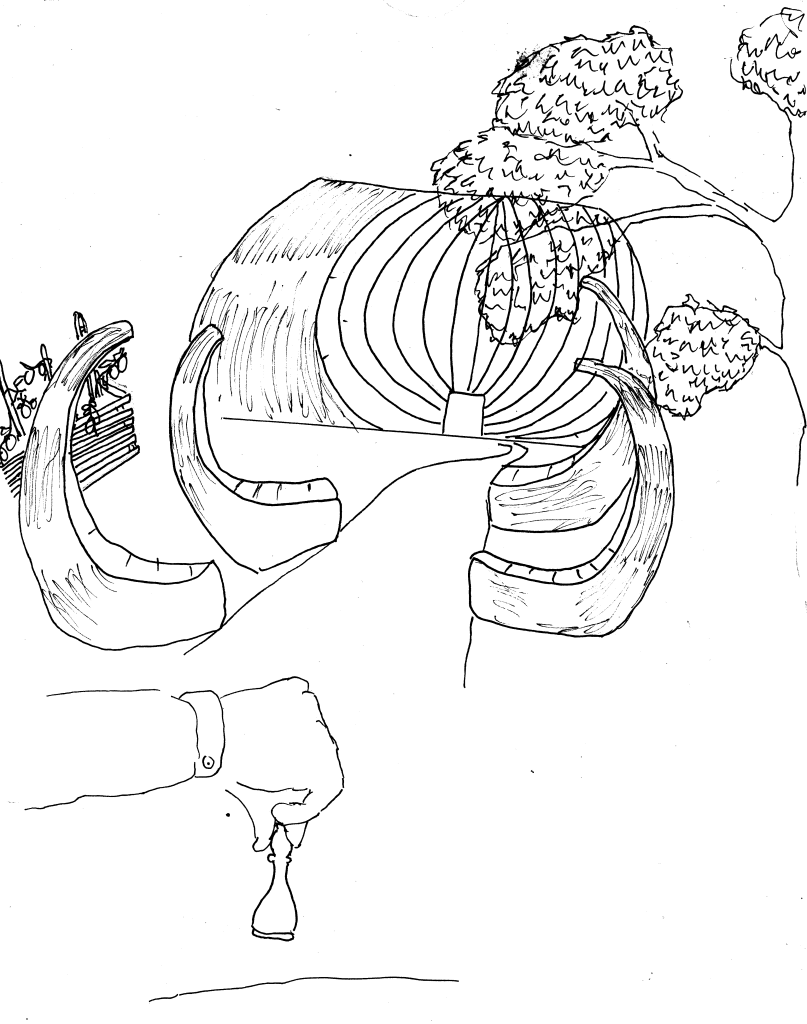
Picture this: as you look towards Coburg Station, from Victoria Mall, you see a multipurpose performance space, running Some Like it Hot on Wednesday evenings. The monthly rooftop table-tennis tournament is in full swing, above the unknowing heads of cinema-goers inside. Community gardens run all the way up to the doors, which are rarely shut. On the walk over, you pass a number of small tables with chess, backgammon and crokinole being played by young and old. Cars enter an underground car park, in safe distance from the people practising yo-yo moves.
Thank god, you think, as you narrowly avoid the public art performers, for the Upfield Onion.
By BB

 The Coburg Meddler