
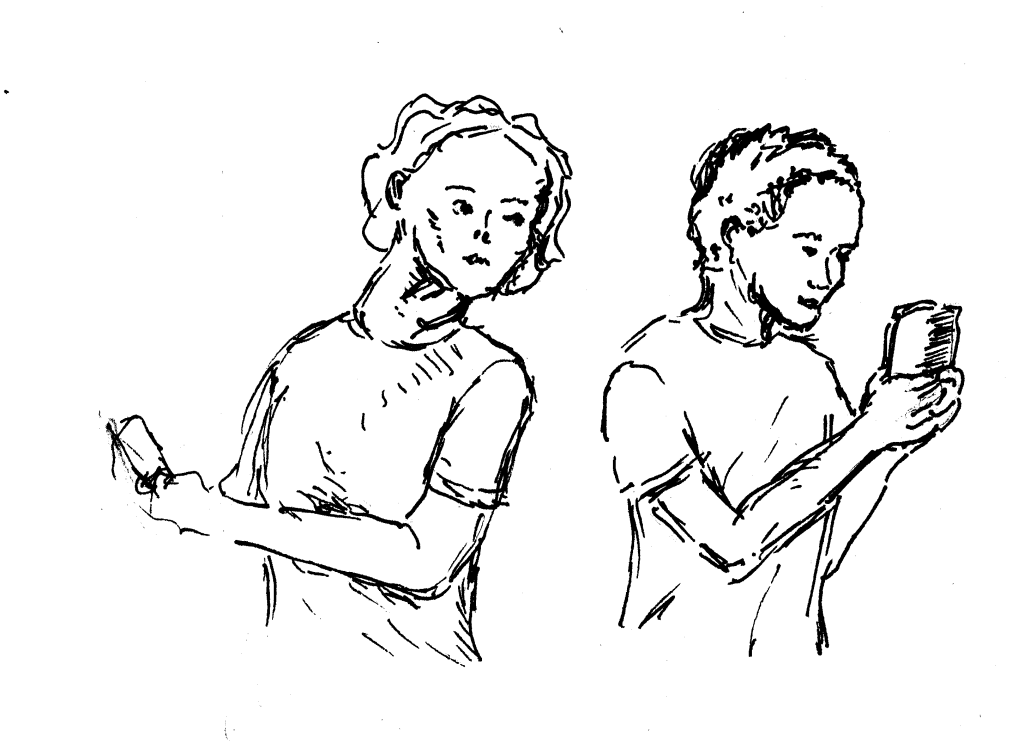
Is it ethical to compliment a friend solely to make her or him happy when it is not really what one thinks. Should we always tell exactly what is on our mind or is it better to keep our thoughts to ourselves to maintain friendships.
Regards
Daisy Sunflower
Good morning dear readers,
Meddling Mary here with some piping hot advice fresh out of the oven. Our first ever question comes from valued reader Daisy Sunflower!
Daisy has written in with an excellent two-parter question about the ethics of an empty compliment and if the truth is always the best medicine.
Specifically, Daisy asks if it is ethical to compliment a friend even if it is not how you really feel. Before deciding if it is ethical, let us talk about if it is necessary. Why are you feeling the need to offer a compliment that you do not mean? This author has certainly tried to fill dead air or ease an awkward encounter with a less than sincere ‘love your top, where did you get it?’ (and has never lost a wink of sleep about it). If you are feeling pressure to compliment your friends as a form of social lubricant, choosing something you truly value about them is better than making something up. But is it ethical? Strictly speaking, dishonesty amongst friends (unlike thieves) is best avoided wherever possible. A genuine ‘you
are really creative’ is better than a hollow ‘your macaroni art belongs in the national gallery’.
Turning our attention to part two of your question; should we say what is in our mind or zip our lips for the sake of relationships? This is one of those very simple and very complicated features of relationships. We are faced with two competing imperatives, honesty and preserving people’s feelings. When deciding whether to say what you think, it is useful to ask three questions: is this kind? is this true? is this necessary? If what you have to say is neither kind nor true, keep it to yourself. The same applies to comments that are true, but neither kind nor necessary. Where things get more difficult is if it is necessary to say something true even if it is not kind. In these instances, be brave and say what is necessary. This is specially true if what you need to say is about your wellbeing or the wellbeing of others. Open and honest communication can strengthen your
relationships, and, like most things, it gets easier with practice.
That being said, if your friend goes out of their way to cook you a dinner, smile and tell them it is delicious even if it is crap. Immanual Kant can
shove it.

