Categories
Uncategorized

THE RADICAL POTENTIAL OF LOCAL COUNCILS

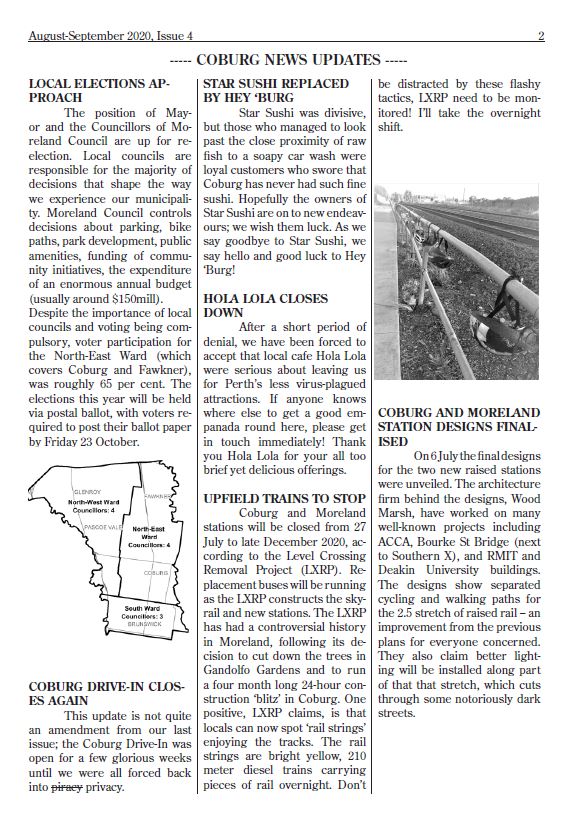
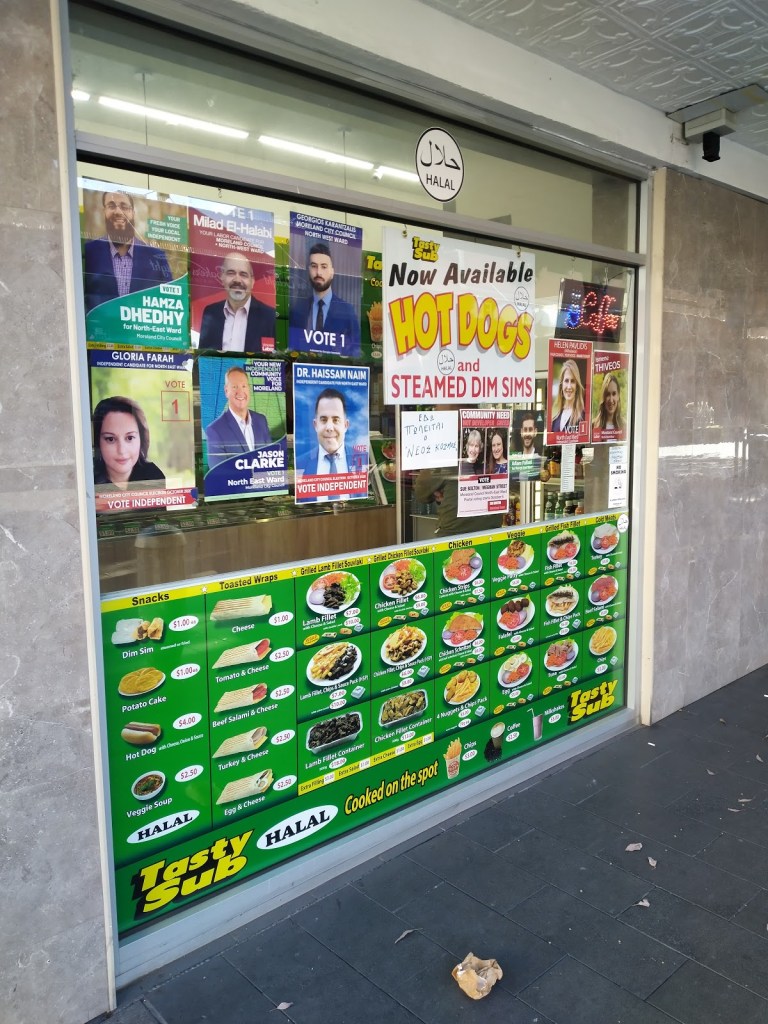
From 6 – 8 October residents across Moreland received their ballot papers in the mail, marking the formal beginning of the hotly anticipated Moreland Council elections. Much of the campaigning has now dwindled as candidates keenly await the results at the end of October.


For some people the local election is just another government threat of a fine for not doing something. For others, the outcome of the election is the difference between a Moreland that is responsive to the needs and desires of the community and one that sticks to the famous ‘triple R’ mandate: ‘roads, rates and rubbish’.


Since the late 90s, local councils across Victoria have been shifting from a triple R remit to being more involved in dictating the shape of the municipality they govern. Housing and community services, implementing climate change policies and providing funding for campaigns and local groups are areas in which local councils are steadily getting more involved. According to the legislation, the Moreland Council (and all local councils) have a lot of freedom to do what is ‘necessary or convenient’ for the proper performance of its role. Its role is simply defined as providing good governance for the benefit and wellbeing of the community.


Practically speaking, however, this power can be (and is often) stymied in a variety of ways by the other levels of government. For example, local council decisions can be overthrown by VCAT challenges and state MPs. Just recently in Stonnington, State Planning Minister Richard Wynne approved an aged care home in Prahran that had been rejected twice by the local council at the behest of locals.

Another example of the other levels of government reducing the power of local councils can be seen in funding. Because local governments don’t have many avenues for raising revenue, many local governments rely on grants from the state and federal governments in order to build works or fund initiatives. This means that the relationship between local councils and other levels of government is seen as important to maintain, lest funding opportunities are lost. We saw an example of this play out with the Upfield line redevelopment; in this instance Council was reticent to back
local demands for greater consultation.

As it stands, council rates are the single most important source of own-revenue for local governments — which is why efforts to cut local council rates on properties should be understood as a limit on the council’s ability to independently fund programs or initiatives that would otherwise struggle to get off the ground. ‘Rates’ are essentially just referring to taxes on property and charges on certain permits. Victoria’s council rates are capped by the state MP for Local Government every year. For the 2019-20 financial year, the property rates were capped at 2.5 per cent.


The pandemic has highlighted the importance of local, robust communities that are able to provide viable alternatives to the usual global-scale dispersed system that previously supported us. The 5km bubble that we have been confined to under Stage 4 restrictions has shown us that we do care about there being green spaces, that we do care about fresh food being locally available and that we do want there to be community groups that provide top quality and consistent care to vulnerable people. We want a municipality that can step up when parts of the global-scale system
shut down in the future.

The Moreland Council has a history of stepping up. In 1930, for example, Coburg Council was funding up to three days of work a week for 500 residents. It also provided a freeze on the need to pay rates (unfortunately interest was added to the arrears). Not all of this expanded power was put to a good cause, however. At around the same time, the then-named Coburg Council perpetuated the shameful White Australia Policy by implementing a rule where 90 per cent of council jobs would be given to either British or Australian-born people. This serves as a grim reminder of the importance of having a diverse and principled council that can stand against the other levels of government if needed. In more recent years, the Moreland Council has occasionally demonstrated such a willingness. For example, in 2014 the Moreland Council made a joint decision with Yarra Council to respond to community outrage and fund legal action in the Supreme Court against the then-Liberal state government’s decision to approve the controversial East West Link.


There is still an ideological rift between people who see the role of local council as being one that maintains the municipality through a triple R mandate, and those who think that local councils should be responsive to the many and varied needs and challenges faced by residents. Whilst a more involved local council runs the risk of implementing or expanding bigoted policies from the other levels of government, if a progressive, transparent, diverse council is elected and the councillors are trying to do their best, we might see a municipality that can stand on its own two feet during a crisis and support all residents irrespective of their status or challenges.


Regardless of where you stand in the debate on the role of councils, it is clear that local council have radical potential.


By SAS & BB
Categories
Uncategorized

ONLINE CAMPAIGNS: WHO DO WE LEAVE BEHIND?

What is the impact of a largely online campaign for local government where candidates are often self-funded and regularly dependent upon their
own skills in running?

Advanced computer literacy is a privilege enjoyed by most people below the age of 25, however for others there can be challenges that can
frustrate a tech-heavy campaign.

Elected councillors are given a publicly accessible phone number and email address that constituents can use to contact them. Decades ago a councillor’s diligent attendance to these modes of communication may have sufficed, however this election has shown us the importance of a candidate’s engagement with digital platforms such as online surveys, facebook messages and zoom meetings. Political engagement has long shifted from physical attendance and meetings and letters to politicians; it is largely discussed online, and so a candidate who is unable to keep up with these forums will mainly be only hearing from a certain subset of their electorate.

It would be a negative outcome indeed if the difference in computer literacy between candidates prevented people from being elected in local elections. Potentially to preempt and prevent this from happening, all candidates should have access to lessons on running campaigns online in
future.


By ES

Categories
Uncategorized

LOCAL NEWS

Categories
Uncategorized

SHORT STORY OF THE MONTH

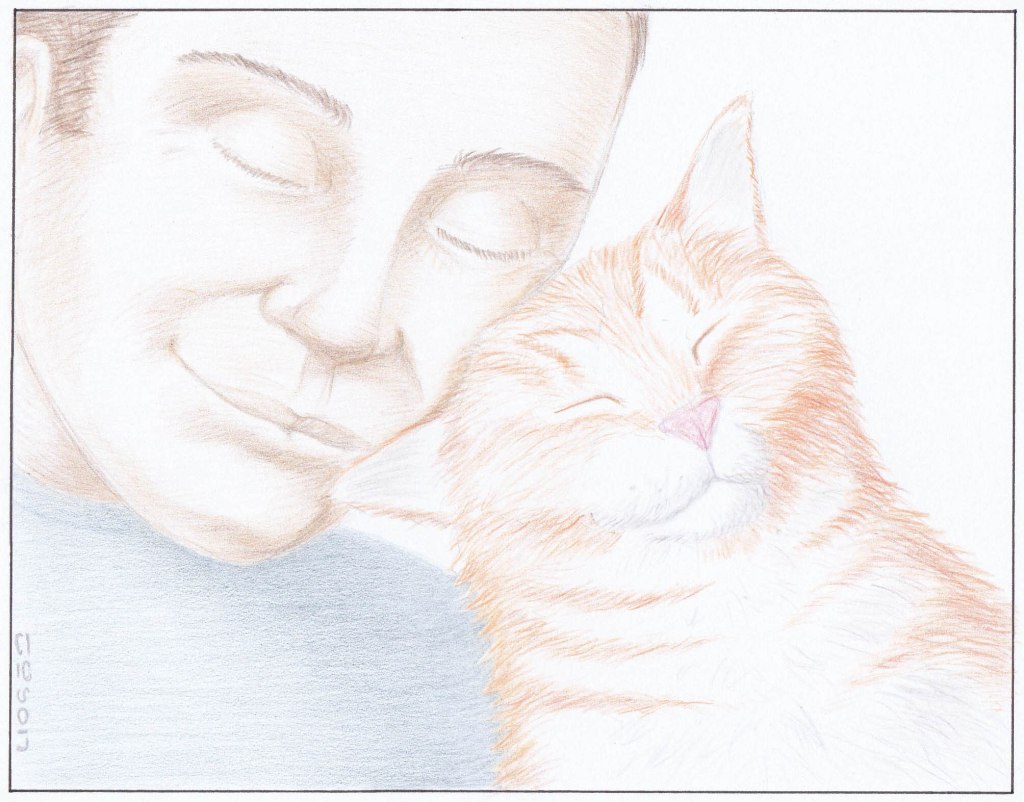
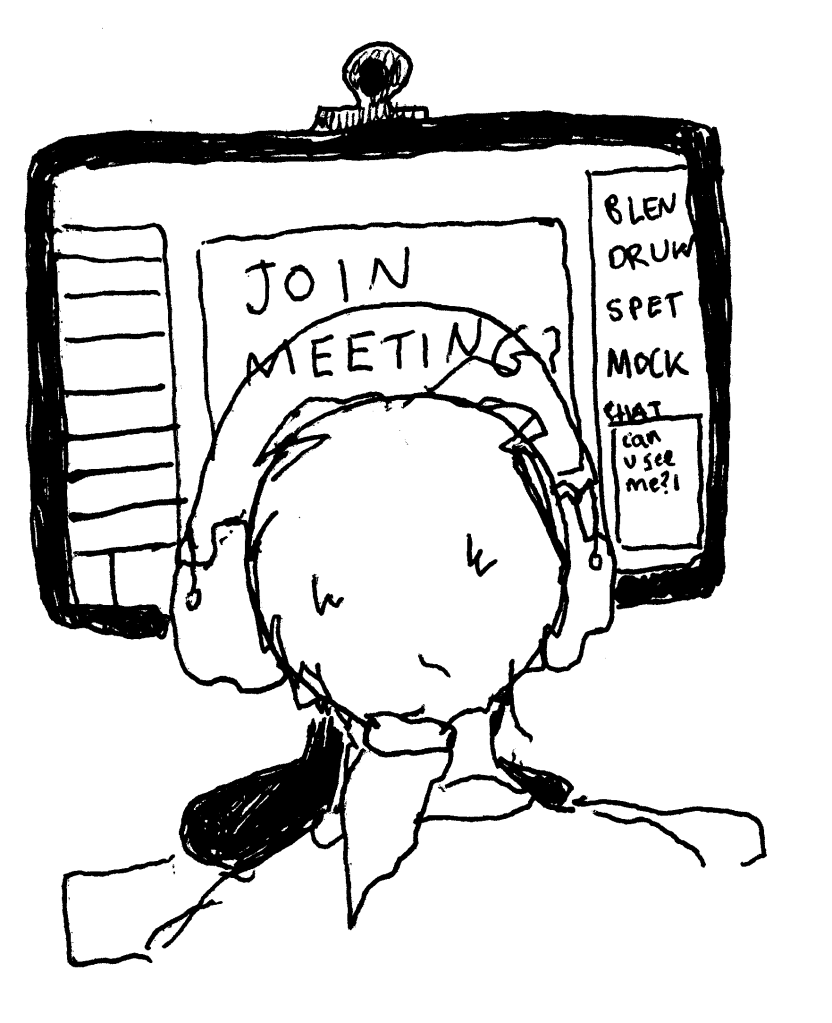
Illustration: Tyson Kalender (TheDrawingDroid)

MY HOUR OF EXERCISE

Leaving my house in the shortest denim shorts I own; the sun kisses my legs. This is perhaps the first time they have seen the sun in a few months, certainly the first time any part of my body has been kissed in the last 6 months.

In the distance, I hear a small bell ring, and I know that my hour of exercise is going to be well spent. Strolling up Dare Street is a small tiger-striped tabby. She crosses the road effortlessly and immediately dashes to me and begins to affectionately rub her head along my legs. Before leaping up onto a dilapidated bar stool that sits in front of a brown brick single-story house. This is a friendship that I have spent weeks cultivating. Back in March, she would scamper away as I approached arms full of groceries on my way home from my local. She stares at me with her big eyes. She arches her back as I continue to scratch her. I begin to make a sound I first heard in the bazaars of Konya, phsss phsss phsss, the sound old Turkish women would make to let cats know they are friends. It was the same noise I mimicked back in Istanbul at my university, much to the glee of my Turkish friends who told me I talk to cats like a Turk. 

Before stage 4 lockdown I would walk past this tabby’s house to the plague filled tram and she would stare out the window at me, sitting atop her pillow thrown – curtains ajar enough for her to scope out her kingdom.

We part as a teenager cycles past without a mask or helmet. I continue on my Dan Andrews approved walk, heading past the small community garden that adds diversity to my weekly diet with perennial spinach, kale and string beans. Turning left at the large white mansion two young children are yelling from their portico at passes by, waving to see if someone will gather the courage and wave back; their mother dressed all in Melbourne uniform of black watching on. I wave and smile, remembering I’m wearing a mask and try to smile with my eyes, an impossible task usually touted at women by older male managers in a sexist rebuff. Turning past their house I head to my next date. Halfway up Walsh street, an energetic friend of mine hears my footsteps and at once leaps into action. Her meows are getting stronger by the day and I’m reminded of when I first met her this year when she was tiny and youthful. My bushy ginger companion jumps up on the wooden fence, to show off her dexterity and balance. I can see the fence wabbling under her weight, another victim to isolation overeating and I pick her up. She nestles into my arms for a time allowing me to take a few quick photos of the two of us, and perhaps more importantly she gives me a chance to pat her thoroughly. I can feel her patience coming to an end, so I place her back on the fence, this time on the neighbour’s sturdy brick, which has spent the morning warming up just for this occasion. I break off our engagement and start to walk back the way I came, making sure to cross the road so as not to attract attention from the family still innocently insisting strangers wave at them.

Soon enough I find what I am looking for, a white miner’s cottage with two red velvet armchairs and a washing machine, ring marked with coffee stains under its veranda. Luckily, today their blinds are down and there is no chance of some awkward eye contact with its inhabitants. Sitting plump in the middle of a chair is a perfect ring of red fur. Some days when I make it this far into Coburg, she is awake and wants a short pat, a scratch under the chin and maybe a short belly rub. Today she looks too majestic for me to wake her, albeit harmlessly for some love. She looks as comfortable as I felt when Jobkeeper was first introduced. I am a product of the neoliberal economy and have always been on zero-hour casual contracts; this is the first wage I have known and probably the most money I will periodically receive in the coming months as the corporate UBI is wound back.

Knowing that my hour is coming to an end, and not wanting to be brutally arrested by police, let alone have my head stomped on by an officer; who will be investigated by the same bureaucracy that gives him a mandate to be violent, I head home.

Letting myself into my back gate I prepare for the ritual I have gotten down to as few surfaces as possible. I open my back door with my keys, not touching the handle and head straight to the bathroom, washing my hands while singing to myself “We are never ever, ever getting back together”, Taylor Swift’s 2012 classic. I throw my keys into the sink for a good clean and place my mask in a cleverly label purgatory bucket. On my way through the house, I hear a faint yet defiant meow. As I settle into one of Melbourne’s inner north famous outside share house-couches, my favourite neighbour makes herself known for the third day this week. Dianna, who wears no collar and took my household months to agree on a name strolls up our garden path, knowing this is her domain. She passes her favourite sleeping spot, the upturned wheelbarrow that gets baking hot in the sun, next to a small water dish that was added with the desire to be a good host. Dianna jumps up onto my lap, something I have spent months wishing she’d do, especially while my housemates are watching and wanting attention from her. She begins to headbutt my hands out of the way so she can settle down on my lap for some sun. She hasn’t learnt to retract her claws yet, but I don’t mind. With Dianna settling down I hear a police helicopter pass overhead and I think to myself, how on earth are they supposed to see someone not wearing a mask from up there.

Ross Dennis
Proud Coburg resident and definitely not a cop.

Categories
Uncategorized

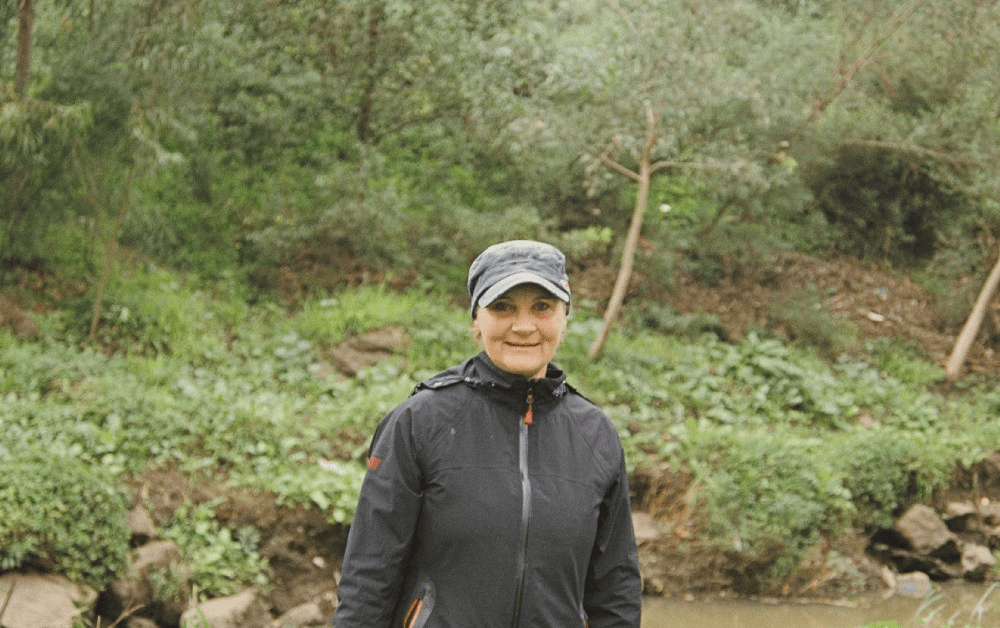
MERRI CREEK MATTERS / A CONVERSATION WITH BRONWYN

Why have you taken an interest in picking up rubbish at Merri Creek, what motivated you?
It is impossible not to notice how much rubbish collects in and around the creek and over the years I have participated in clean up days but they don’t come around often enough and I guess I just started taking a plastic bag with me on my walks and began picking up a small bag or two on my walks…

Now that I have a bit more time, I take down bigger bags and spend longer cleaning up rubbish. It is very satisfying seeing the before and after — I can get a bit obsessive/compulsive!

Sometimes I get to walk around my area, the circuit between Normanby Avenue and Moreland Road, the swing bridge and up to Bell St sometimes and only have to pick up a small amount of litter. So lovely. However after substantial rain my work starts all over again, so lately there’s been a lot of work to do.

Why is this a passion of yours?
I guess what motivates me to do these clean ups is my love of the natural world.

What is something new you have learnt during isolation?
I am starting to educate myself about the history of Wurundjeri people, the first inhabitants of Melbourne and this area.

If you could offer any advice to people who are struggling at the moment, with isolation or anything else, what would it be?
That’s hard to answer as people’s circumstances are so different but getting out in nature helps me a lot and doing something to benefit your community, not just yourself.

Answering these questions has helped me reflect on things, which is so important. Thank you.

By KATA

Full interview can be found here: https://medium.com/the-isolation-diaries/the-isolation-diaries-part-six-1284cbf80ae 

Categories
Uncategorized

LOCAL NEWS

Categories
Uncategorized

Sleepless in Moreland

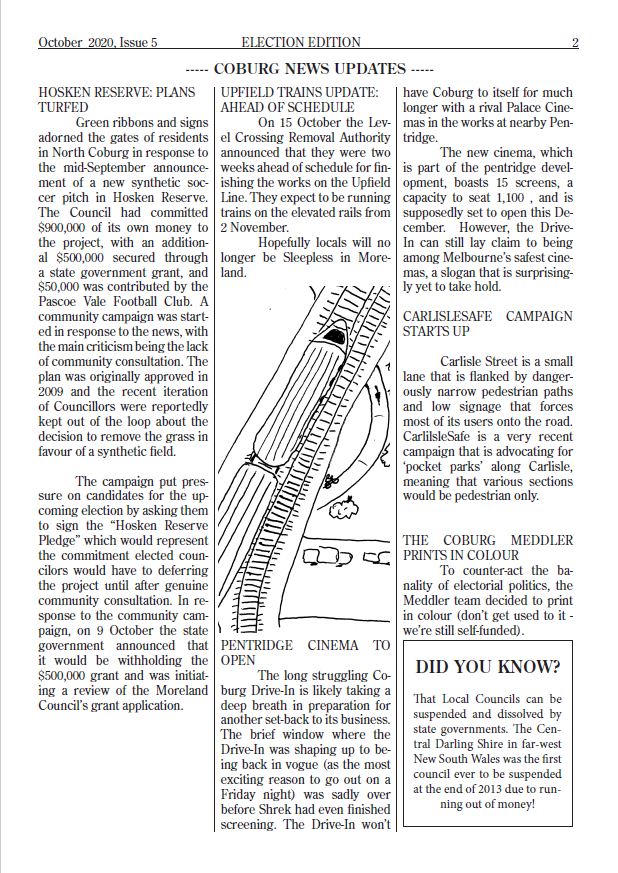
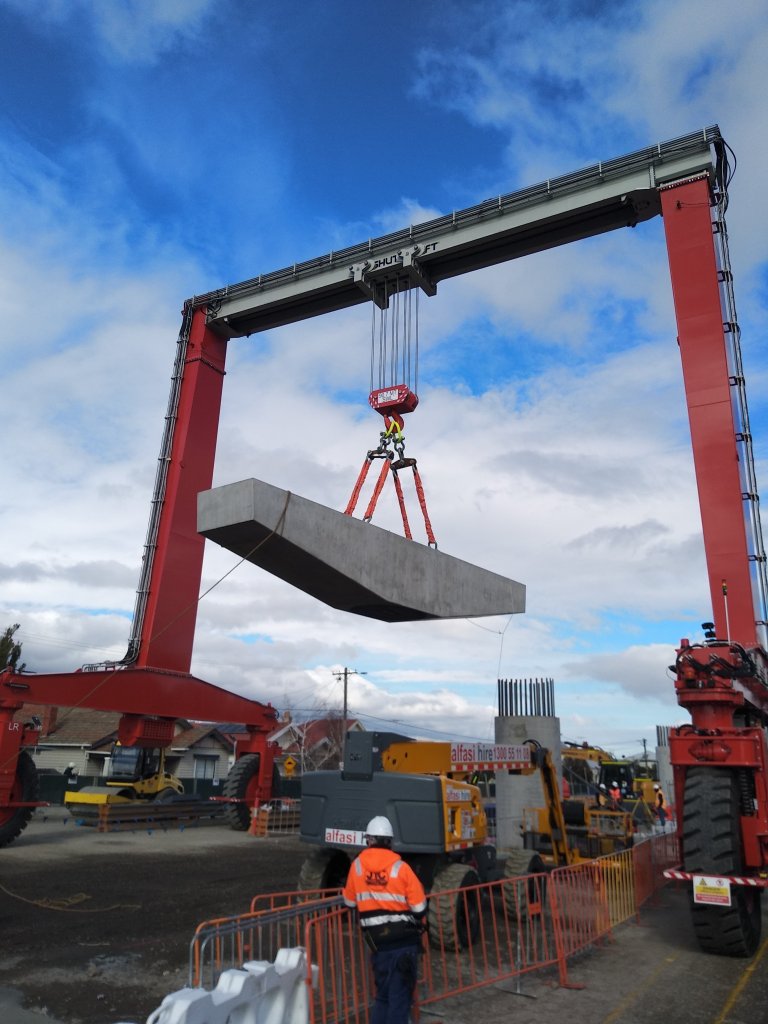
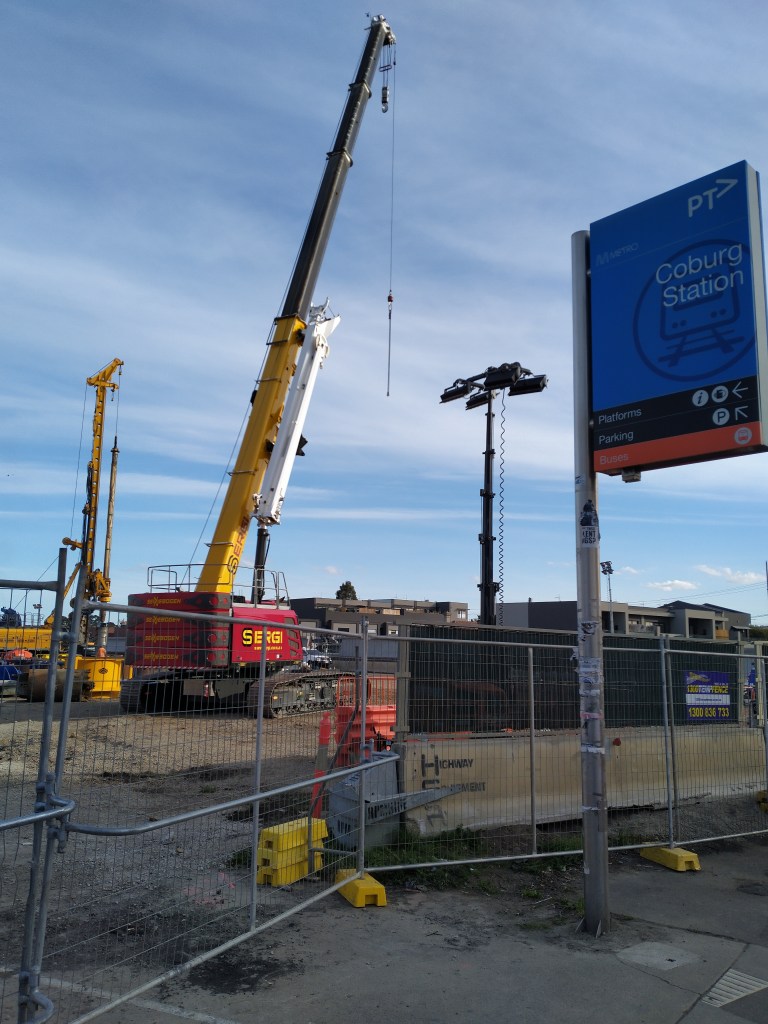
From 28 July until 15 November, the Level Crossing Removal Authority (LXRP) will be work­ing through the night to remove level crossings at Bell Street, Munro Street, Reynard Street and Mo­reland Road and to install the much-talked about sky-rail. They will also be using this opportunity to build the new stations at Coburg and Moreland, the designs of which were released in June.

While the sky-rail project is an inevitable and an important improvement to the Upfield Line, residents in Moreland who live close to the railway are facing an unusually protracted and in­tense period of construction noise.

Ordinarily the EPA’s guidelines for nor­mal hours of operation for major works is be­tween 7:00am – 6:00pm on weekdays and 7:00am – 1:00pm on Saturdays. The EPA usually enforces these restrictions by requiring adherence to the guidelines as a condition of the mandatory licenc­es that contractors must acquire before work can begin. The guidelines allow an exception for work outside of these hours where the work is unavoid­able; for example, work needing to continue over­night to avoid the risk of a major traffic hazard.

 The LXRP have stated that their project meets the threshold for this exception, however it’s not clear what the justification was for this de­termination.

Under the EPA, the impacts of night work on the community, such as ongoing sleep distur­bance over many nights, must be managed by the contractor, LXRP. In accordance with this, LXRP have offered temporary and paid relocation to rental properties for affected locals within 50m of the construction. They have also offered to pro­vide locals with earplugs and headphones, and consecutive days of respite in alternative accom­modation.

However, the LXRP have recently come under criticism from local groups regarding the inadequacy of their noise-mitigation measures. As a result of this growing dissatisfaction, on 16 August concerned residents and members from local interest groups formed a new campaign, ‘Sleepless in Moreland’ (‘SiM’). SiM say that they have ideas for possible solutions to some of the key issues they have identified with LXRP’s ap­proach to the intense construction in Moreland.

One of the major concerns held by SiM relates to LXRP’s offer to relocate affected resi­dents within 50m of the construction site. They argue that this offer is woefully inadequate given reports that the noise from the construction site is clearly audible overnight up to 3km away from the construction site.

SiM member, Tanya Pittard also argues that relocation is not always tenable for residents, in particular, ‘the vulnerable residents of the John Fawkner hospital palliative care units [and] detox patients in local residential programs’. These peo­ple, as well as families and essential carers, says Ms Pittard, ‘are all being denied sleep, and will be for up to 105 continuous nights’. SiM members also criticise the LXRP for ineffective communi­cation about the support residents can ask for, claiming that some streets that were eligible for relocation were not contacted.

SiM are also concerned that the health and well-being of the residents left behind to deal with the noise is not being considered in the schedul­ing of jobs to be completed. They report that the type of construction happening at night is more in­tense than during the day. The decision of LXRP’s contractors to schedule heavy-duty works, such as pile-driving, throughout the night and seem­ingly less noisy work during the day has infuri­ated locals. SiM are therefore calling for the EPA to enforce the ordinary guidelines that prohibit overnight work, and failing that, for quieter works to be scheduled between 10:00pm – 7:00am.

These recent developments demonstrate the tension between the importance of protecting residents’ quiet enjoyment of their property and development for public benefit. The question here is whether the 24-hour, almost four month long blitz (if such a long period can be called a ‘blitz’) is strictly necessary and whether it therefore jus­tifies the imposition on locals, some of whom will face mental and physical health consequences due to sleep deprivation.

If you wish to get involved in the ‘Sleepless in More­land’ campaign, contact Better Level Crossings for Moreland via Facebook or moreland.lx.communityactiongroup@gmail.com.

If you’re being impacted by the construction noise and want to find out what LXRP are able to do for you, contact the LXRP on 1800 105 105

Categories
Uncategorized

MANTRA HOTEL

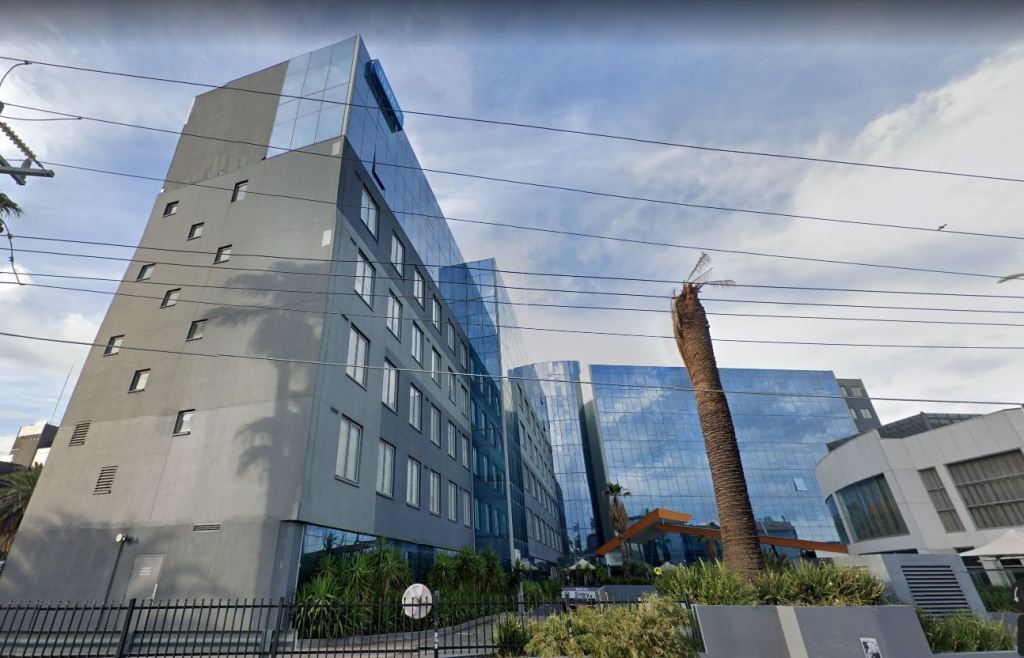
Back in May, a number of refugee activ­ists were fined or arrested at the Preston Mantra on Bell St drawing considerable attention to the use of the hotel as a makeshift detention cen­tre. In response to COVID-19, over 60 refugees have been detained on a ‘secure-level’ of the ho­tel guarded by Australian Border Force officers. The justifications given for the temporary medical evacuations from Manus Island and Nauru were for the health and safety of the detainees. When a security guard at the hotel tested positive for the virus, however, this justification was brought into question by local refugee activists. While it doesn’t appear to have spread to the detainees, the event has raised concerns about the risks of detaining people in confined and crowded spaces where they cannot physically distance themselves from others who may be exposed to the virus.

Over a month later, as we all know, a securi­ty guard breaching hotel quarantine is considered – accurately or not – as responsible for the sec­ond-wave of coronavirus sweeping across the state of Victoria. Subsequent enquiries into the breach, have revealed a catastrophic lack of adequate vet­ting, training, and resources made available in as­signing guards to manage the health risks of con­taining the coronavirus. Although these examples present very different circumstances, with differ­ent outcomes, both highlight the uncomfortable position we find ourselves in when we place organ­isations and staff focused on security and policing into the position of front-line health care workers. If trained hospital staff struggle to maintain the levels of hygiene and PPE procedures required to mitigate the risk of spread, how and why are we placing this responsibility onto individuals who have – at best – completed first-aid certifications?

One constant throughout this pandemic has remained – those that listen to and act only on the advice from the medical research avail­able have avoided the worst of the pandemic in their communities. I should say, to be fair, the state and federal governments here have for the most part emphasised this. Victoria Police in turn, have acted primarily on the informa­tion provided to them by the DHHS as well as state and federal health ministers. However, as long as the police and other security organisa­tions act as the frontlines of the risk mitigation, we find ourselves with this kind of two-head­ed snake, unsure of which is leading which.

Furthermore, between the Black Lives Matter protest, the Flemington Towers lockdown, and now this Mantra Hotel refugee protest, there have been a number of accusations that police are using the pandemic as a justification to target peo­ple and actions that may otherwise be protected by freedom of speech and protest laws. In particu­lar, among those fined during the Mantra protests, some activists maintain that protesting presents no greater health risk to the spread of COVID-19 than going to the grocery store or attending local parks for exercise. However, as doctors and health professionals pretty uniformly advise against par­ticipation in protests, we find the politically active among us grappling with our own two headed snake – one that cares about human life in the pan­demic, and one that cares for human life after it.

By J Brinkley

Categories
Uncategorized

A DAY AT HOSPITAL

A snapshot of a regular day for a health professional working at a major hospital

As soon as we enter the workplace we are screened. Screening consists of a short question­naire and having your temperature taken, after which point you’re given a ‘staff’ sticker and off you go to your ward (making sure you have gelled your hands with hospital grade hand gel/wash as you enter the lift!).

After washing hands and putting on a mask, we go to greet our assigned patients. We’re mind­ful of the fact they can’t see our friendly smile be­hind the masks, so we try to convey empathy and kindness through our eyes and body language

Should we be assigned a patient who has been Covid-19 swabbed and is awaiting results, we don Personal Protective Equipment (PPE) which includes a gown, mask, shield and sterile gloves. As it is very laborious taking all this gear off in a particular way, a “runner” is often assigned — this is a person who remains on the outside of the room, contactable via phone, who will fetch equipment that they can leave in a specified area accessible to the person wearing the PPE.

Believe me when I say that even just wear­ing a mask can leave you hot and breathless, and wearing PPE is even more uncomfortable. How­ever, we on the frontline bear this with grace — we know that not adhering to these measures can cause death. Dramatic I know, but ultimately the truth.

This is a huge responsibility for all those working in health facilities and it causes anxi­ety and fatigue. It is not helped by the fact that the very people we are helping are restricted in who they can have as support, so they are also often anxious. If you find yourself in this position, please bear in mind that we are in this together. Although we may wear a mask and you cannot see our faces, we are sympathetic to your lack of support, feelings of isolation, and fear of the un­known. We feel that too.

When we finish our shifts, we are careful when removing our clothes within our homes, and we ensure they are washed before we interact with the people we share our homes with. Some of us have to reassure our loved ones that, yes, we have taken all precautions possible — all day, every day.

And when finally we take our weary selves to bed, we hope sleep comes to us – as the anxiet­ies of others, and the expectations and demands during our working day, run like a silent reel in our minds, on a loop going over decisions made, words said …

As sleep finally takes us into oblivion, the alarm on the mobile phone heralds the beginning of much of the same which went before, only this time different people to care for.

By Lady Grey

Categories
Uncategorized

MISERY LOOMING UPON INTERNATIONAL STUDENTS

I came to Australia on 14th of March, 2019. It took a huge fortune to get here with hopes to return all of it with the education I would get at univer­sity. I am the only son of my par­ents who put everything at stake just to provide me quality educa­tion and a better life.

As a student from the third world, life is just like walk­ing through a hot fry pan in the pursuit of an education at uni. There are so many obligations to abide by and compulsion to make a living. We depend on part-time/casual work to get by daily needs like rent, travel and other living expenses including university fee.

Life was harder even without pandemic now it has be­come worse for students from the third world. The govern­ment assumes students are well funded for their studies which is not true mostly. Students depend on part-time or casual work which now almost doesn’t exist and students have no mon­ey to even carry out their basic living expenses. Some of my friends say they haven’t paid rent for 3 months and they have been living under the kindness of the landlord. I don’t think ev­ery landlord would be kind like these ones. Some of my friends even don’t have credit to make phone calls to their parents at the time when they are desolate and abandoned and they need some encouragement.

Students have been through the most hardship of their life while university seems to be so cruel and ignorant of this fact. They email every week asking for fees for next semes­ter and they send anxiety re­lief technique after that email — what irony! Sometimes I think they are not human or they don’t know human feeling and pain. I hold the University accountable for causing great depression and anxiety on students. It is so deep and has wounded many mentally. They offer a hardship relief fund but they impose a condition saying you must enrol next semester paying thousands of dollars. How could they ex­pect us to be paying thousands of dollars while we are applying for a hardship fund for a couple hundred dollars? Are they that much stupid? But they are run­ning a uni. Is uni offering quality education as they advertise this, because they seem so stupid in simple matters of life.

Most of my friends got fired from permanent jobs while they need it most. How could they fire students from work when they have no other op­tions to get a job. Many students working under permanent part-time jobs have been living in constant fear of losing their jobs and sometimes it really depress­es us down till the point of hope­lessness. Lack of compassion in people really hurts me and which is revealing these days like no other time in history.

Life as international stu­dents feels like life without hu­man rights and there seem to be on one to support and solace painful heart. C’mon people! Have some love and kindness for students who are from the third world and any other part of the world. We need some sup­port, some love, some kindness. I think that will keep us alive through this crisis.

By Paul K C

Design a site like this with WordPress.com
Get started