Categories
Uncategorized

MALL-CONTENTS

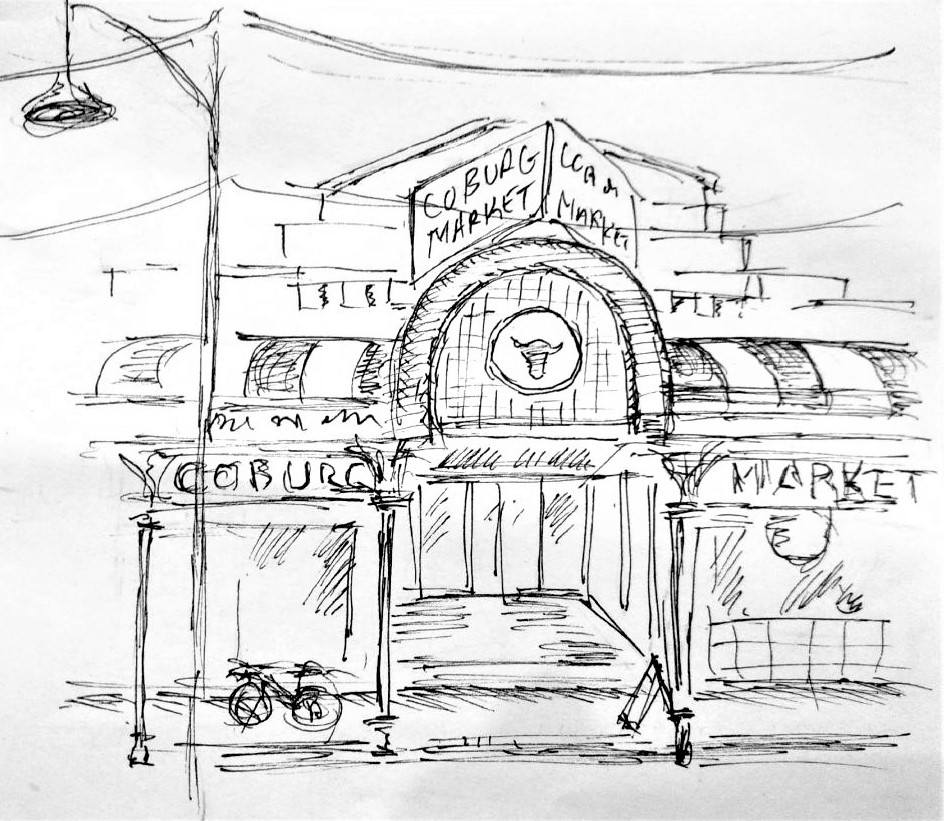
An anonymous worker (AW) gave us some of her time to explain the state of the Coburg Market, where she has been working for the last 10 years.

AW: There’s been a big slide in the age of the customers, in general. When I first started working here, there was a lot of cultural diversity which has slowly started to change. Now you see people from Brunswick, people from Northcote. Although there are many people still coming into the market, it is not getting the respect that it deserves; it’s a cultural icon in Coburg.


MEDDLER: In your opinion, what needs to change for it to get the respect it deserves?


AW: I don’t know. But the Council are not doing enough. We’ve got a trader’s association here; the Coburg Traders Association, but we are not being spoken to as businesses. We are not being connected. The problem here is that the younger generation don’t stop here because we are surrounded by hypermarkets. We have two Coles and one Woolworths. And then we have 10 souvlaki places. There is no niche market anymore. We’ve been here for hundreds of years. Everyone knows it. Young people who used to come with their parents, are the older people who are the regulars now. But now we’re surrounded. We get people from Coles coming here and checking the prices and charging below what the Coburg Market has listed. Then they draw the customers because of the convenience.


And the carpark – now, people need to pay for the car parking if you want to stay longer than three hours. The older people who usually want to go to the pharmacy, go to the market, talk to others and so on, now they mainly go to where they can get things done quicker — to Coles. Why would they come here?


MEDDLER: What would you like to see happen?

AW: I don’t know what the Council can do – but they don’t protect the market. I would have studied the area properly and done engagement with the businesses before they allowed the hypermarkets.


There should be money going into the market. Not just into signage. They talk about us as the ‘Coburg Icon’, but they are destroying it. The Council could say – let’s create something in the carpark, and put something in it; face painting on the weekends, or bike stands for all the bicycle people to come. There are little things they could do to make a change. But the Council doesn’t come here and ask us what we should do. If they came here, and came up with an idea, then it would be revenue for the Council.
Categories
Uncategorized

NATIONALISE AGED CARE HOMES AND MANDATE STAFFING LEVELS

The COVID-19 disaster in residential aged-care homes in Victoria and New South Wales is a tragedy, but it was waiting to happen because the system was set up to put profits first.

The main lesson from the disgraceful treatment of the elderly in the pandemic is that the privatisation of this essential health service must end.
Aged care homes need to be nationalised now to help stop the spread of COVID-19 and to give residents their health, safety and dignity back.

The deregulation of the aged care sector began after the introduction of the federal Aged Care Act 1997 allowed mandatory staffing ratios to be removed and for the aged-care workforce to be casualised. This has led to insufficient pay, with no entitlement to paid sick leave for the largely casual work force. Big corporations such as Bupa and Estia Health, “approved providers”, are the behemoths of aged care: they own many aged care homes and make big profits while also receiving $1 billion each year from taxpayers, via the federal government.

These profit-gouging companies are not specialists in heath or aged care. The law stipulates that they are not required to employ a registered nurse to be on-site 24 hours a day.

In 2018, the Australian Nursing and Midwifery Federation (ANMF) commissioned the Tax Justice Network (TJN) to investigate possible tax avoidance by the for-profit aged-care companies. It discovered that while Bupa received almost $7.5 billion in total income (2015–16), it only paid $105 million in tax on a taxable income of just $352 million. It also found that Bupa’s Australian aged-care business made more than $663 million in 2017, with 70% ($468 million) coming from government funding. While funding from government and resident fees increased in 2017, Bupa paid almost $3 million less to their employees and suppliers.

The TJN said then that it was difficult to get “a detailed and complete picture” of the extent of tax avoidance because “Australian law is not currently strong enough”. But we know enough to know that for-profit aged-care companies are doing what they are set up to do.

Peter Rozen QC, who is assisting the commissioners looking into aged care, stated the system is not failing but is “operating as it was designed to operate”.

The Royal Commission into Aged Care Quality and Safety heard on August 10 that the rate of coronavirus deaths in Australia’s aged-care homes is among the highest in the world. This is a shocking indictment of how a rich country treats its most vulnerable.

Rozen was scathing of New South Wales Health’s reluctance in May to allow infected residents to be moved out of Newmarch House, the aged care home operated by Anglicare, and into hospital care saying it was “intolerable”. Newmarch House had become the epicentre of COVID-19 infections in NSW and families were so distressed at the authorities’ lack of action they resorted to giving the detail of their fear and frustration to the media.

In Victoria, a similar disaster has transpired since July as the active coronavirus cases for both patients and workers in aged care rises. As of August 10, there have been at least 138 deaths linked to aged-care facilities in Victoria, including 171 cases linked to St Basil’s Home for the Aged in Fawkner, where the entire workforce was placed in quarantine.

Only 180 of the 770 aged-care facilities are state owned and run. Only these have prescribed ratios of registered nurses to patients, and the security of a registered nurse on site 24 hours a day. In the privately-run facilities, sometimes a single nurse is required to supervise care for 100–200 elderly residents.

While private aged-care facilities are funded and regulated by the federal government, state governments need to stand up and stop them rorting the system and treating residents as cash cows. The federal opposition has been characteristically quiet about reviewing the for-profit model. Its 2012 aged care “reform” package is credited with jumping on the Productivity Commission’s review of the aged-care system in 2011 and pushing the user-pays model with an emphasis on change, “choice” and “flexibility” for the “consumer”.

The only humane long-term solution is to put the aged-care system back into public hands. That would help ensure it can be properly regulated, with staffing ratios for nursing and non-nursing staff enforced.

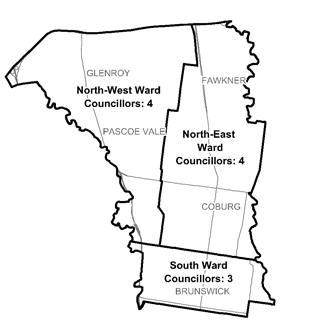
As a councillor in the North-East Ward of Moreland City Council, where St Basil’s Home for the Aged is located, I’ve seen the distress as 20 elderly members of the Greek community have passed away. These residents did not need to die.

Aged-care homes should be about providing good quality care for residents. Last year’s interim report from the commission found the system failed to meet the needs of the elderly, and was “unkind and uncaring” towards them. It also said the sector suffered from severe difficulties in recruiting and retaining staff, and that pay and conditions were poor and education and training patchy. To get through this crisis safely, private aged-care homes must immediately be compelled to mandate professional staff-to-resident ratios.

In addition, steps must be taken now to nationalise the aged-care system and impose regulations to ensure the health and safety of all residents and workers, as the ANMF has said for years.

By Sue Bolton
[Sue Bolton is a Moreland

Categories
Uncategorized

How the waves of language used throughout this time is a unique shared experience


In the age of streaming series, Spotify releases and more festivals you can shake a stick at – shared cultural moments are (or were) a rare thing. Until the curve ball of a pandemic in 2020 united us once again.

Although this pandemic has destabilised most facets of a normal life, something unique has occurred. Although our worlds have shrunk  - especially in Melbourne  -  we’re using what’s at our disposal to make meaning of this shared-experience. Our chosen tool? Words. Spoonville townships, too.

The similarity of language and shared experience we’re having   is a phenomenal rarity. Words are our key tool in framing this unfamiliar experience.

You’ve heard them, you’ve read them, you have likely used them.

News shows are repeating phrases we hear echo in our corporate all staff emails. Politicians introduce medical terms which become common language, then tweets and memes.

There’s certainly a particular style to the pandemic prose that’s published far and wide.

We saw a clear rise of what linguists are terming ‘Coronaspeak’. We’ll mark this time by a profound shift in something simple. Our words.

We’ve co-built a new language together, in 8 months. I can’t foresee any other incident which would create such vast adoption and comprehension of new words than this. But I’m also an optimist.

‘Our new normal’ became ‘normal for now’ and our goals are set on finding, and maintaining ‘COVID normal’. One reference which excited me greatly was a ‘glorious Covid Normal’. I hope we’ve found that.

Pandemics are no new phenomenon, however a pandemic being played out in a society with Twitter is. Our experiences vastly differ, of course, but the language we’re using is surprisingly universal.

The power of our words during this time has large-scale impact.

To communicate empathy, understanding, and solidarity. We’ve collectively learnt and created new phrases which will forever mark this time.

I recall being envious of the clarity of the NZ Government’s lockdown terms - pining for our own clear Bubbles, Clusters and Chains. Whilst Australians remained wholly confused if they were able to get a haircut or attend a wedding.

But the Victorian Government quickly broke away from the Federal plan and created our own. A language we shared, co-owned and learnt together.

Whilst my inbox filled with the same cliches and few phrases - the positive intent and genuine care can be felt from most.

It’s here - where the words hold meaning, pain, empathy, hope, fear - where we truly are ‘living through history’’.

We’ve swiftly built a shared language through this rare cross-cultural experience.

The frosted pink lining

The impact of the Victorian Lockdown is so strongly felt. This lifestyle has become a new normal.

So well versed in Coronaspeak, we can breeze through a Dan Andrews press conference and understand the numbers, rolling averages, the transmission causes and sources, and impacts to our lifestyle.

The shared understanding and lexicon we spent months learning, developing, writing, saying and defining has given us something we’ve built on together.

Without being cliche, I have felt we, Melbourne, really are in this together.

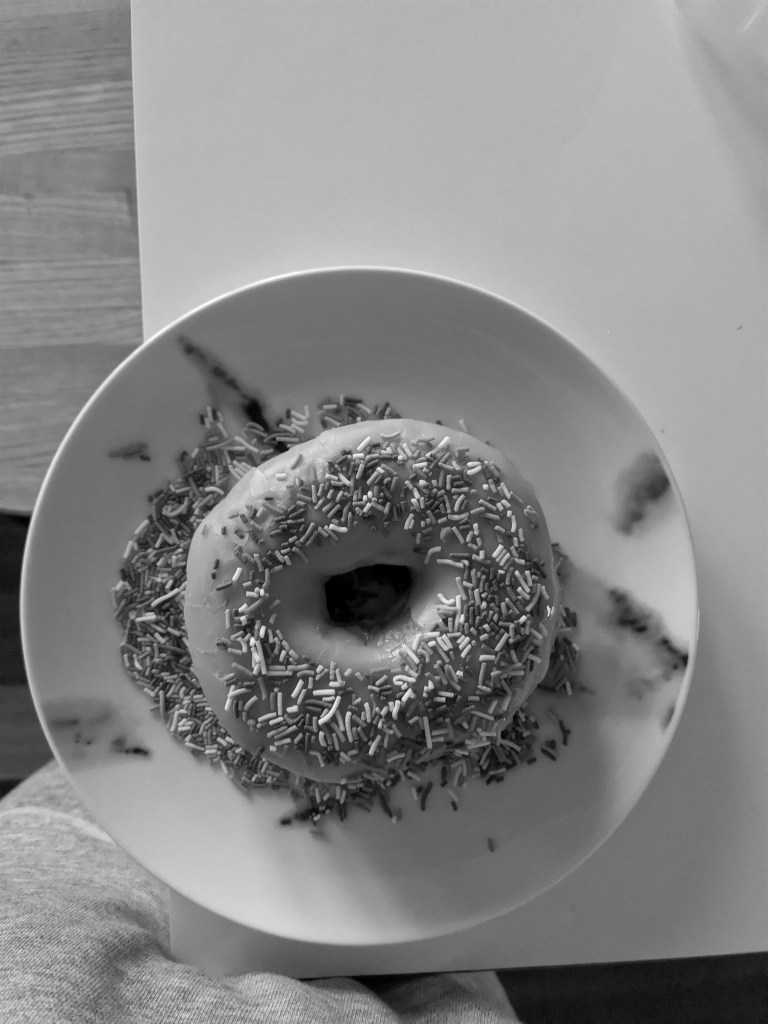
Melbourne’s first day of zero new cases and zero deaths (since July) meant we saw two big beautiful round zero’s in the DHHS’s daily report. A new shared symbol for hope and celebration created in the form of donuts.

Although this experience has been exhausting, frightening, and warped my sense of freedom and time; I’ve found fascination in observing the waves of language adopted. It’s a unique experience. And a once-or-twice in a lifetime kind of experience.

We are living through an unprecedented experience. The new normal has become a thing we must adjust to until we find our new COVID-normal, for now.

The pandemic has changed the language we use. The memes, donuts, Spoonvilles and Iso-diaries show our penchant for fun and our ability to create silver linings.

The impact of the words we choose to converse, empathise, and document continue to shape and define this rare shared experience. Our words have power – now more than ever. Choose them wisely.

By Bec Thexton

Categories
Uncategorized

COBURG NEWS UPDATE

Categories
Uncategorized

YOU CAN HANDLE THE TRUTH

An easy-to-understand explanation of specific law-related issues.
DISCLAIMER: This information does not constitute legal advice; don’t get your legal advice from a newsletter, only get legal advice from a practising lawyer!

Photo: Erik Anderson


Dogs vs. Cricket


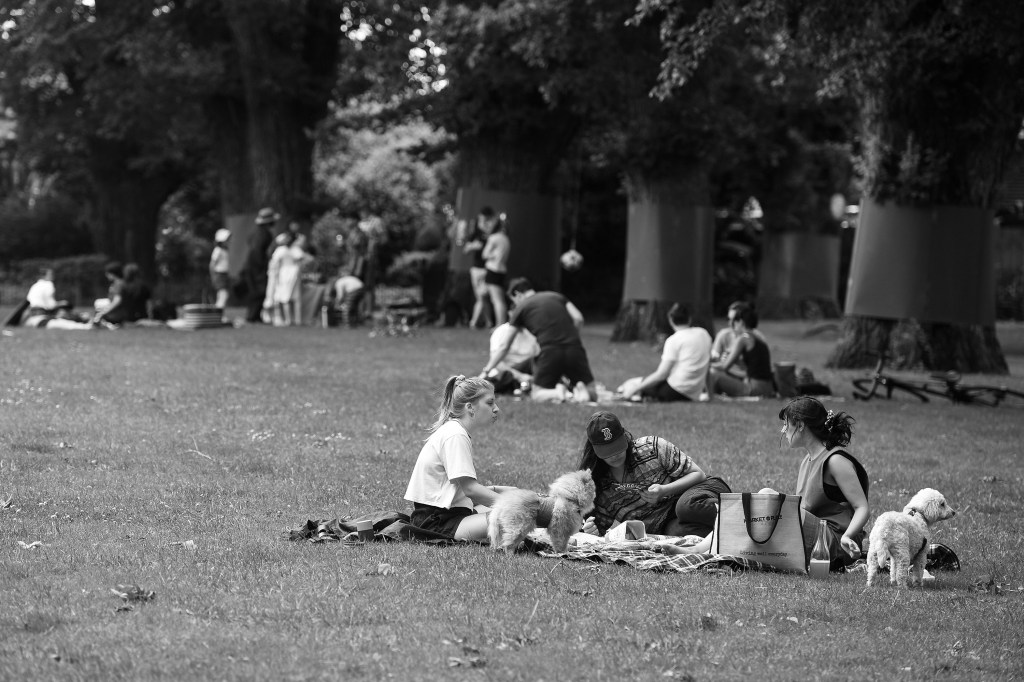
After a long hiatus in lockdown, local sports clubs are finally returning to the fields and ovals across Moreland. On one local oval, this has turned into a literal turf war between the sports club organisers, groundskeepers, and the community members who have, in their absence, enjoyed their exclusive use – dogs (and their humans). Recently this came to a head when a children’s cricket coach used a bike lock on the main entrance to the park and insisted that dogs weren’t allowed on the field. While the dogs seem unphased by the social exclusion, their human counterparts were rightly confused and annoyed.


After a quick call to the Moreland Council, who don’t seem to get into the weeds too much over the philosophical implications of the commons dilemma, it was reiterated that it is a ‘shared space’, but that comes with some relevant clauses for dog owners:

They must be on a leash within:
•1m of shared pathways
•15m of playgrounds and children’s play equipment
•15m of the principal location of an organised sporting or community event or festival


This last clause appeared to raise confusion in this particular case, as the cricket coaches believed this to mean the entire oval was out of use if any part was being used for training.


The council’s position is that the principal location is defined as the actual location of any training or sporting events, unless the group has formally booked the entire oval. When asked how members of the public would know if the space had been booked, the advice was that “the person who has booked will tell you” and that there is no publicly available booking calendar or schedule.


So far, the result for this park has been that the sports club sectioned half of the oval off with some cones – a compromise many dog walkers were very happy with. Some dogs were contacted for comment but at the time of print had not yet responded.

For more information on dog off-leash areas and council laws surrounding dog walking, visit the Council website!

By Joyce Brinkley

Categories
Uncategorized

Flavours of Coburg

When you walk into True North, the first thing you’ll notice is the décor. It looks as though a group of rockabilly-luchador-skate punks converted a tattoo parlour into a café, walls coated in Old Weird America bric-a-brac, and a Robert Redford mirror. It makes for a cosy and interesting environment, although the inactive pinball machines which will leave your inner child shedding a tear.

There are a welcome number of booths in the dining room, from which your order will be taken and delivered promptly. The food menu is short and the drinks menu long – generally a good ratio – and the prices moderate, from $7 for a bagel to $21 for ‘The Yeti’, a bacon cheeseburger with fries (chips). There’s also a complete vegan/vegetarian menu with alternates of all the meat options, and a pastry case at the counter.

Drinks-wise, the gunpowder green tea ($4) is a step up from the average café green tea, with a pleasant smokiness and not scalded with boiling water. The house-made watermelon fresca ($5) is even nicer, refreshing and not overly sweet, and makes one curious about their other homemade beverages.

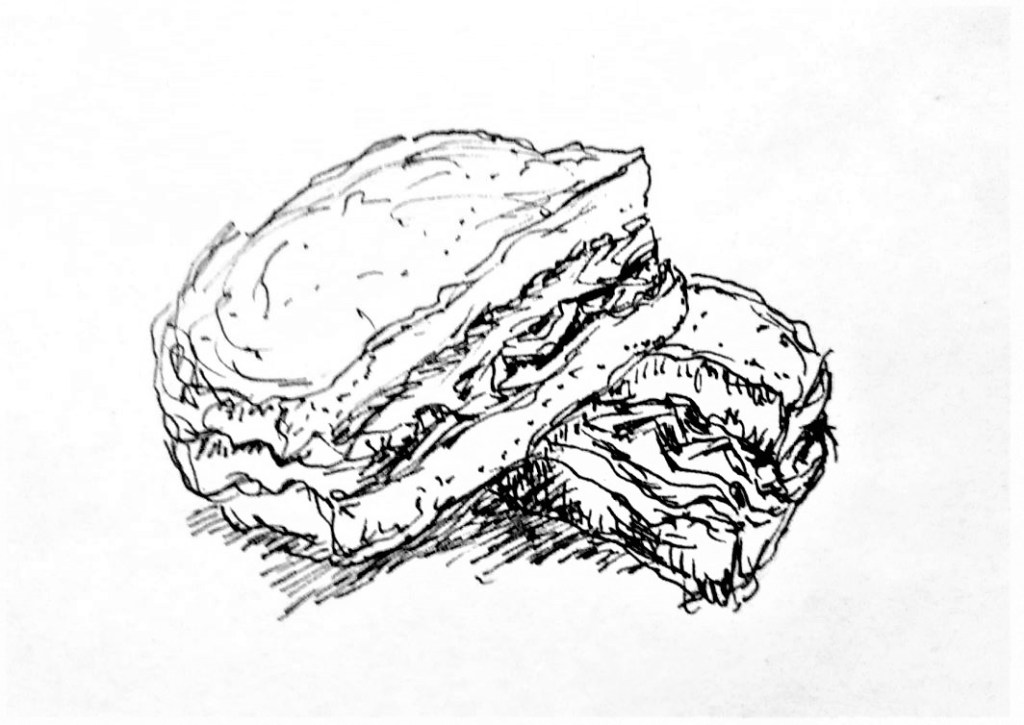
For Reuben purists, the True North Reuben ($15) literally won’t stack up – it comes with only a single layer of pastrami rather than the traditional ream. It also comes on sourdough instead of rye, has mayo rather than Russian dressing, and is heavy on cheese. As a result, the balance between salt, fat, and acid is thrown out.

And yet, it does taste good. The ingredients are quality and big on flavour, especially the sauerkraut, which has a good kick. The melted cheese does overpower matters somewhat. Perhaps the sandwich would be better billed as a Reuben toastie.

Alejandra and Christina’s Empanadas (also $15) come in a family of five served with a perfunctory salad of rocket, cabbage, and dill, as well as a chilli salsa and ajo, a Colombian aioli-type sauce. The empanadas themselves are fairly small, made of a thick masa dough housing a potato and black bean puree. The dough is tasty but dominates the filling, and without the condiments these are quite plain.

The chips ($5 small/$10 large) are simple batons, and thankfully not of the shoestring variety. They feel closer to real potato than many chips but were underseasoned and slightly chewy. Portion sizes for all of the foods were on the smaller side, especially the empanadas, which are closer to an entrée for a hungry traveller.

While I wouldn’t go for the food alone, atmosphere counts for a lot when it comes to cafes, and the unique décor and friendly service at the True North goes a long way in this regard.

True North
2a Munro St, Coburg

By David Parsons

Categories
Uncategorized

WHAT’S UP

During December, Venus will be brilliant in the early morning eastern sky. Predawn (about 4 am) on the 13th will find the waning crescent Moon and Venus separated by less than 2 degrees, or about four Moon diameters, low in the east.


Jupiter and Saturn will be remarkably close in the western sky during December twilights. On the 17th, the three-day old crescent Moon will draw within 3° of them, to make a striking trio. Keep watching the two planets, because on the 21st, they will only be 0.1° apart. (Wish for clear skies, because this proximity is only seen once every two decades or so.) The best viewing time is about 8pm- which, on the 21st, also happens to be the time of our Summer Solstice.


Mars is now moving away from the Earth, and its size will diminish by more than half over December. However, it will still stand out in constellation Pisces in the northern sky, in the early night.


Also featuring in the December northern sky are the Geminids, a recurring shower of meteors. (These showers happen when the Earth’s orbit crosses a comet’s orbit, and the debris from the comet’s tail falls into the atmosphere.) As the name implies, the Geminids seem to fall from the constellation of Gemini, near the bright stars Castor and Pollux. The number of meteors that can be seen falling every hour varies, but for the Geminids can reach 150- which is as high as it gets for any regular meteor shower. Optimum viewing will be after midnight between the 4th and 17th, with peak activity predicted for the 14th.


Lower in the northern night sky is Arcturus, fourth brightest of the stars. Arcturus means ‘Guardian of the Bear’, protector of Ursa Major, the Great Bear of the deep northern sky.


A more local protector story comes from the Wergaia people of Western Victoria. Marpeankurrk was a woman of this tribe during a time of great drought. She set out to find food for her starving people, but walked for hours, finding nothing. Seeing the mound of a nest of wood ants, she dug into it with her stick, exposing the larvae. In desperation, she tasted one. It was good! She loaded up all she could carry, and was able to save her people. Wood ant larvae became one of their favourite foods, and an essential food source in late winter.


When Marpeankurrk died, she became the star we call Arcturus. Now, in late winter, when Marpeankurrk appears in the northern evening sky, the people begin to collect the wood ant larvae. But later on, when Marpeankurrk sets just after sunset, it is a sign that the larvae are gone, and summer is beginning.

By Vlack

Categories
Uncategorized

STORY OF THE MONTH

Illustration by Tyson Kalender (@TheDrawingDroid)

Holt was swimming one day when a rip caught his ankle. He tried to kick free, but the rip really had to insist. “Not today, rip,” Holt said, “I have prime minister things to do.” “I really must insist,” the rip said. Holt realised the rip was as stubborn as a Russian diplomat and gave in. As he swept out he was overcome with a feeling of dread – he’d forgotten to lock his car.

***

Holt came to on an island, the kind that are all surrounded by water. The trees were screaming, but it was just excitement and they soon stopped. He sat on the sand and tried to think about what to do. All he could think about was a joke someone had told him in the war. The punchline escaped him.

***

Years passed, then days, and months, in that order. Holt went insane from 1974-8 and again for most of the ‘80s, which admittedly was a strange decade for all of us. Eventually he settled into a rhythm, after his casino venture went bust due to low patronage. He often thought of home and wondered if they would let him be prime minister still if he went back.

***

One day it rained birdseed. There were no birds on the island though, which seemed like a waste. Holt gave it a spirited try, but just couldn’t get into the texture. To make matters worse, the beach looked like salt and pepper squid.

***

In the centre of the island, Holt found a stone that told you the truth about yourself. He’d heard it from somewhere he couldn’t remember. He knelt down, kissed the stone, and listened. An elemental voice said: “You exist between worlds and must pick one.” “Don’t you think I know that?” Holt said and kicked the stone. It split in two, revealing a small lizard. It added: “You look good in a brown cardigan but it doesn’t suit these climes,” and scurried off. “No doubt about that,” Holt thought.

***

Holt was fishing off a rock when he caught a fish. He was about to apply his bash and eat method to it when it spoke. “I’ve been caught by a magic human. Will you grant me three wishes?” “I thought fish were supposed to grant human wishes.” “Nope. I’m not magic.” “Neither am I. In fact, I was about to kill and eat you.” “What if I told you something interesting? There’s a stone on the middle of the island that will tell you the truth about yourself.” This was news to Holt. “Interesting, I’ll check it out, thank you”. He weighed his options with the fish.

***

Holt sat on the beach, sipping his claret and watching the sunset. He accidentally spilled his wine and the sky turned the colour of the claret on the sand. At first Holt was annoyed, because he couldn’t see if he’d spilled any on himself, but eventually something softened. He gave up and dissolved into the sand with the claret, and when the tide came in it washed them both into the sea.

By David Parsons

Categories
Uncategorized

UNFORTUNATE ERRORS

The short candidate profiles that are attached to ballot papers this election offers voters a convenient last chance to get a sense of the candidates before making their decision. The profiles include the candidates name, what they generally stand for, and a photo. Interestingly, the profiles did not contain the affiliations of the candidates; encouraging voters to make a decision based on their affinity towards the candidate, rather than the party.


Unfortunately for some candidates, the Victorian Electoral Commission – the body responsible for administering the council elections this year – had
a reportedly annoying and unduly complicated submissions process for these profiles.


For candidates who spend a lot of time helping out in the community, this was particularly devastating, as some residents might only have recognised
these candidates by face.


By H P Puffin

Categories
Uncategorized

THE FUTURE OF MORELAND ELECTIONS – SINGLE-MEMBER WARDS

Late last year the State Government passed the Local Government Bill 2019. One of the most significant things that this bill introduced was a state-wide single-member ward system for all municipalities excluding rural shires and Melbourne City Council. This means that by the next local council election in 2024, Moreland will have exclusively single-seat wards.


In Moreland, the current three wards will likely be split into between 8 or 12 smaller wards. Each ward will be represented by one councillor. The single-member wards must ensure that they have approximately equal numbers of voters per councillor and that variance between wards does
not exceed 10 per cent. The State’s justification for these changes is that single-member wards create stronger local democracy. Put simply, the idea is that councillors who solely represent a ward will be elected on the basis of their championing the interests of a smaller population with hyper- local concerns. This might be attractive to residents who feel as though there is an unfair amount of attention given to development in the more popular or lucrative areas of Moreland.


The move to adopting multi-member wards in the early 2000s was also justified on ‘better democracy’ grounds. The Victorian Electoral Commission has weighed in on the issue, claiming that councils with an exclusively single-member ward structure can lead to councils failing to work together when necessary in unshakeable pursuit of own-ward interests.


There are also real concerns from alternative parties and independent councillors who feel as though they have only been able to get a foot in the council due to the multi-member ward model which uses proportional representation. Some have also criticised the move as an effort from the
Labor party to wrestle back the inner-city suburbs from the Greens.


This year only 5 municipalities had exclusively single-seat wards, and so these new changes mark a significant difference in the way that local council elections work.


By El S

Design a site like this with WordPress.com
Get started